Why Taking Folic Acid Isn't Always Enough
Ask almost any woman what she should be taking before and during pregnancy, and folic acid will be near the top of the list. The advice is so universal it has become almost reflexive — start folic acid before you conceive to protect your baby from neural tube defects.
But here's what is rarely considered: whether your gut is actually able to absorb and process the folate you're taking. And for a significant number of women, it isn't — not fully, and sometimes not at all.
What folate actually is — and what happens to it in your body
Folate is the umbrella term for a family of water-soluble B vitamins. Folic acid is the synthetic, oxidised form used in most supplements and fortified foods. Natural food folates exist predominantly as polyglutamates — larger, more complex molecules found in leafy greens, legumes, and liver.
Before any form of folate can be absorbed, it has to go through a conversion process in the small intestine. Think of it like breaking a large puzzle apart into individual pieces — your gut needs to do this before folate can pass through the intestinal wall and into your bloodstream. This conversion relies on specific enzymes located on the surface of the gut lining, known as the brush border.
Once folate makes it into the bloodstream, the journey isn't over. It then needs to be converted again — this time in the liver and body cells — into its active, usable form (known as 5-MTHF). This is the form that can actually do the work of protecting your developing baby's neural tube, supporting cell division, and contributing to healthy fetal development.¹
This is not a simple, one-step process. It is a multi-stage sequence that depends on a healthy gut, functioning enzymes, and adequate support at every step along the way. When any one of these steps is compromised, folate absorption and utilisation can be significantly impaired — regardless of how much folic acid you're taking.
The brush border — where folate absorption begins
The brush border is the term for the dense layer of microscopic, finger-like projections (microvilli) that line the surface of the small intestine. This surface is where the majority of nutrient absorption happens, and it is where the enzymes critical to folate processing are located.
When the brush border is damaged or not functioning well, the body's ability to absorb nutrients — including folate — is significantly reduced. What makes this particularly important is that research has shown folate deficiency itself can damage the brush border, creating a perpetuating cycle.² In other words, the longer the deficiency goes unaddressed, the harder it becomes to correct through supplementation alone.
Brush border damage is also caused by a range of external factors that are extremely common in the preconception population — including dysbiosis, SIBO, chronic inflammation, coeliac disease, and prolonged use of certain medications including the oral contraceptive pill and proton pump inhibitors.
Hidden saboteurs of folate absorption
SIBO (Small Intestinal Bacterial Overgrowth) occurs when bacteria that normally reside in the large intestine migrate and proliferate in the small intestine — the very site where folate absorption takes place. The presence of these bacteria in the wrong location creates inflammation, damages the intestinal lining, and directly disrupts brush border enzyme function.³
Dysbiosis (an imbalance between beneficial and harmful gut bacteria) more broadly has been shown to impair nutrient absorption, increase intestinal permeability, and drive the chronic low-grade inflammation that further compromises gut lining integrity.⁴
Both conditions are common, frequently undiagnosed, and often present without obvious digestive symptoms. This is a point I emphasise with every client I see: a gut that isn't functioning optimally doesn't always announce itself with bloating or constipation. It can show up as fatigue, skin issues, hormonal irregularities, or simply as suboptimal nutrient levels on a blood test — despite supplementation.
Digestive enzymes and their role
Digestive enzymes produced by the pancreas and the brush border itself are essential not just for breaking down food, but for processing and releasing the nutrients within it. When SIBO or dysbiosis damages the brush border, the production of these enzymes is directly impaired — creating a situation where even a nutrient-rich diet or a high-quality supplement may not be adequately digested and absorbed.³
This is one of the reasons why addressing gut health before conception is so clinically meaningful. A gut that can't produce adequate digestive enzymes is a gut that cannot reliably deliver the nutrients your body — and your developing baby — need.
The MTHFR factor
Even when folate is absorbed, there's one more conversion step that needs to happen before the body can actually use it. This final step depends on a gene called MTHFR. Some women carry a common variation of this gene that makes this conversion less efficient — meaning that even with regular folic acid supplementation, their bodies may not be converting it into the active, usable form as effectively as needed.⁵
Why gut health before conception is protection
The standard advice to take folic acid before conception is sound. But it is incomplete without addressing the gut environment in which that folate will be absorbed. A healthy brush border, a balanced microbiome, adequate digestive enzyme production, and an intact gut lining are not optional extras — they are the infrastructure on which folate absorption depends.
Healing and supporting the gut before conception gives folate — and every other nutrient critical to early fetal development — the best possible chance of actually reaching where it needs to go.
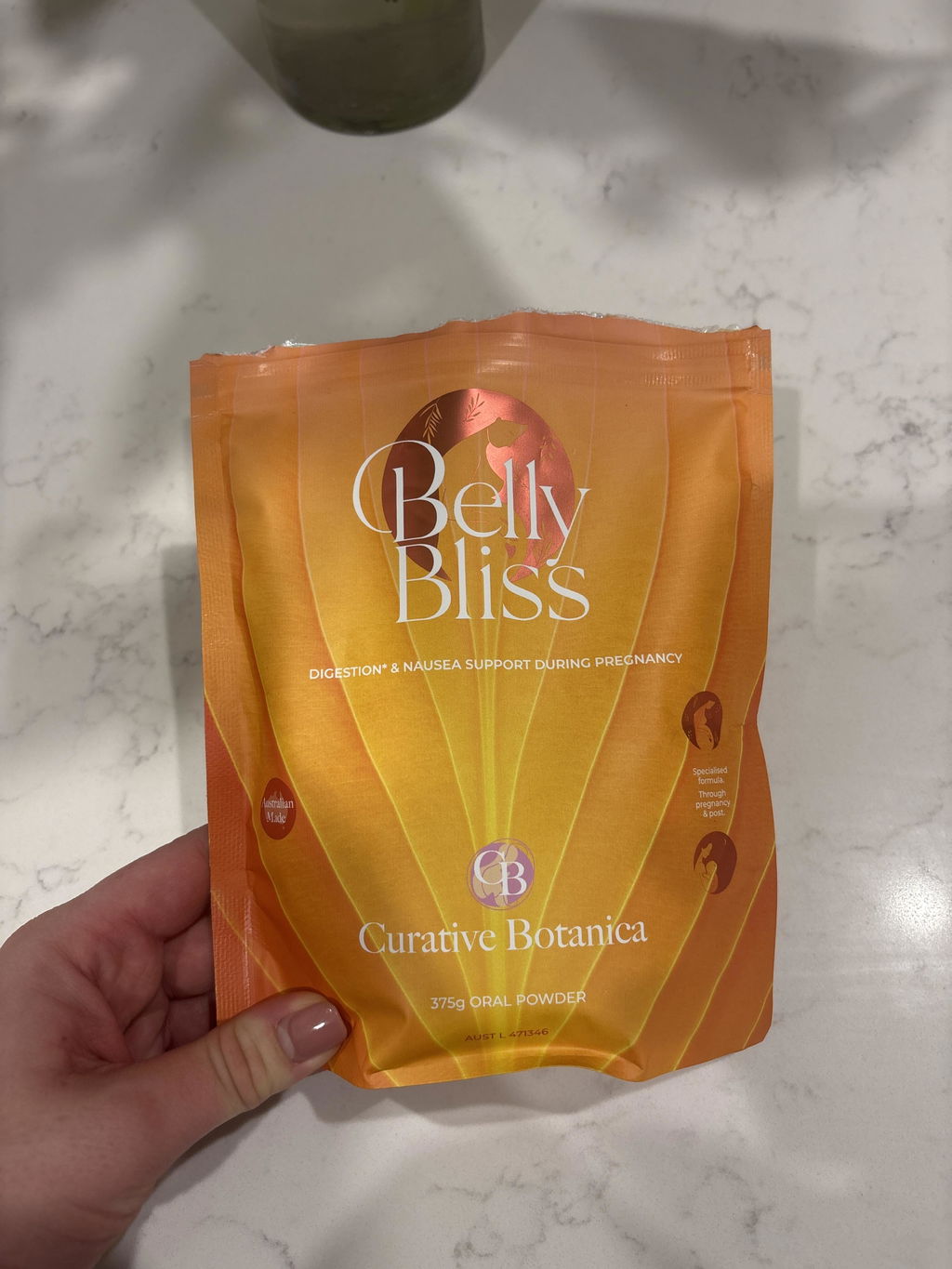
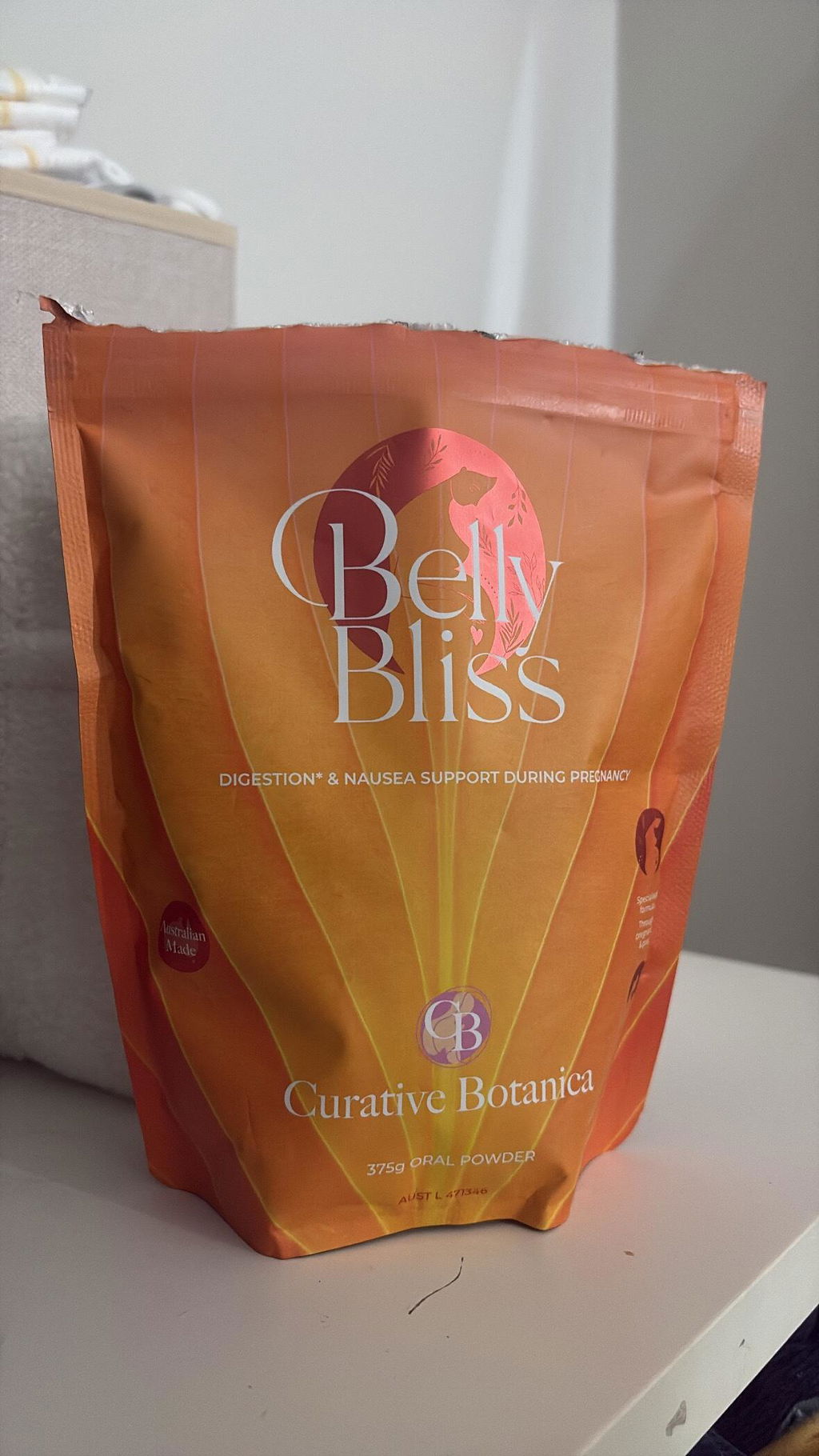
This is exactly the thinking behind Belly Bliss by Curative Botanica. Its formulation brings together ingredients that address multiple layers of gut health simultaneously.
Belly Bliss should be taken as directed. If you have specific concerns about folate metabolism or preconception gut health, working with a qualified naturopath can help you develop a targeted protocol. You can find out more about our clinical services at Ecoura Health