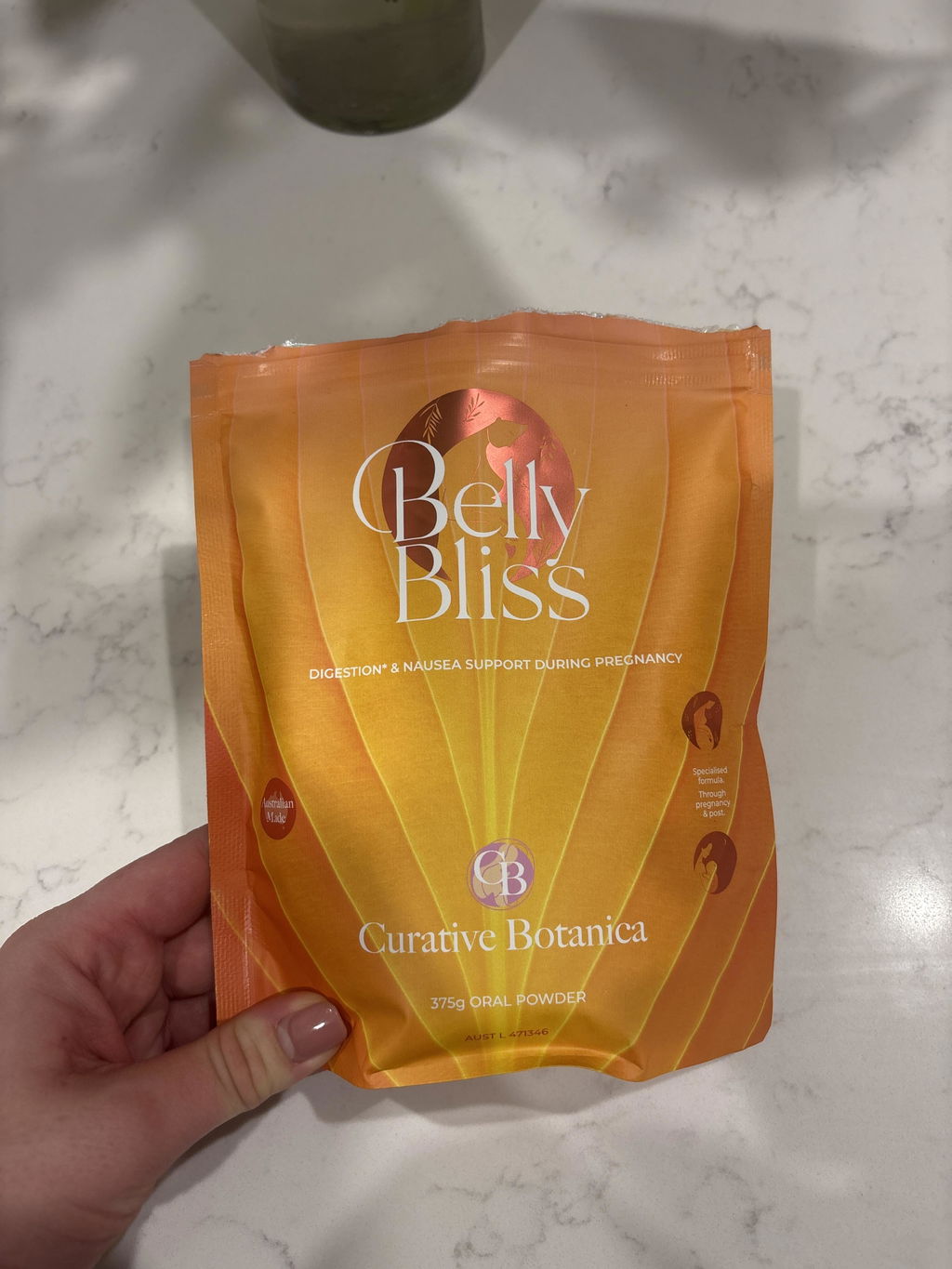
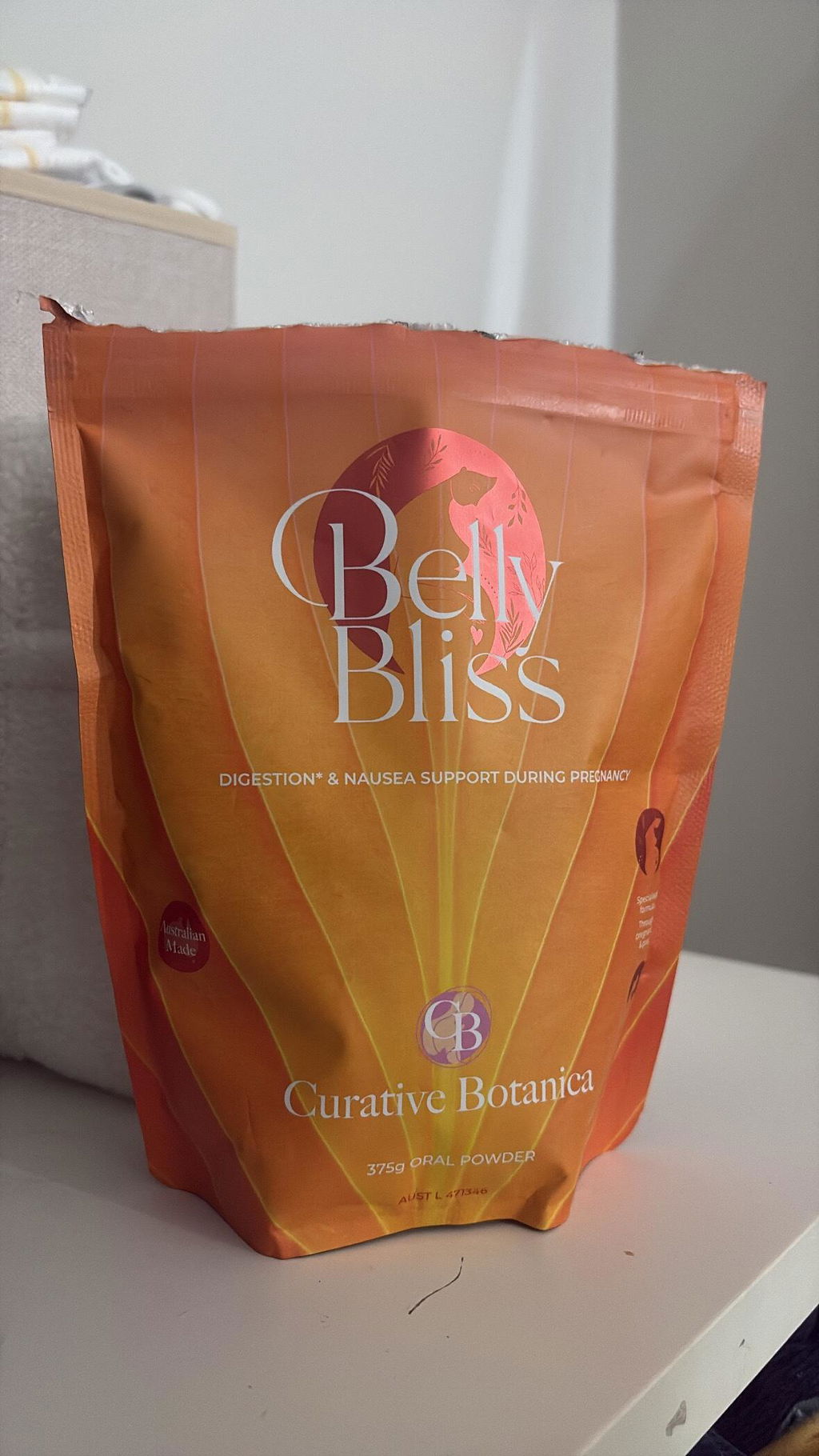
Why Is Maltodextrin in Belly Bliss — And Should I Be Concerned?
If you've been reading about maltodextrin and pregnancy, it's likely you've come across some research that gave you pause. As a naturopath, I want to be upfront: that concern is not unfounded. But context matters enormously here, and I think it's worth explaining exactly what maltodextrin is, why it's in Belly Bliss, and why the amount present is not something that should cause concern.
What is maltodextrin?
Maltodextrin is a polysaccharide — a carbohydrate derived from starch — that is widely used in the food and supplement industry as a carrier, filler, or thickener. It's tasteless, odourless, and highly soluble, which makes it a practical choice for spray-dried powders and extracts. It's found in a vast range of everyday packaged foods, and is classified as safe by both the US FDA and the European Food Safety Authority (EFSA).¹
Why is it in Belly Bliss?
Maltodextrin appears in Belly Bliss as an excipient — meaning it's not an active ingredient, but rather a functional carrier used in the manufacturing process. Specifically, it is used as a carrier for the pomegranate hull extract (Punica granatum), which is one of the active herbal ingredients in the formula. Without a carrier, this type of concentrated dry extract cannot be properly processed or delivered in a stable powder form.
How much is actually in Belly Bliss?
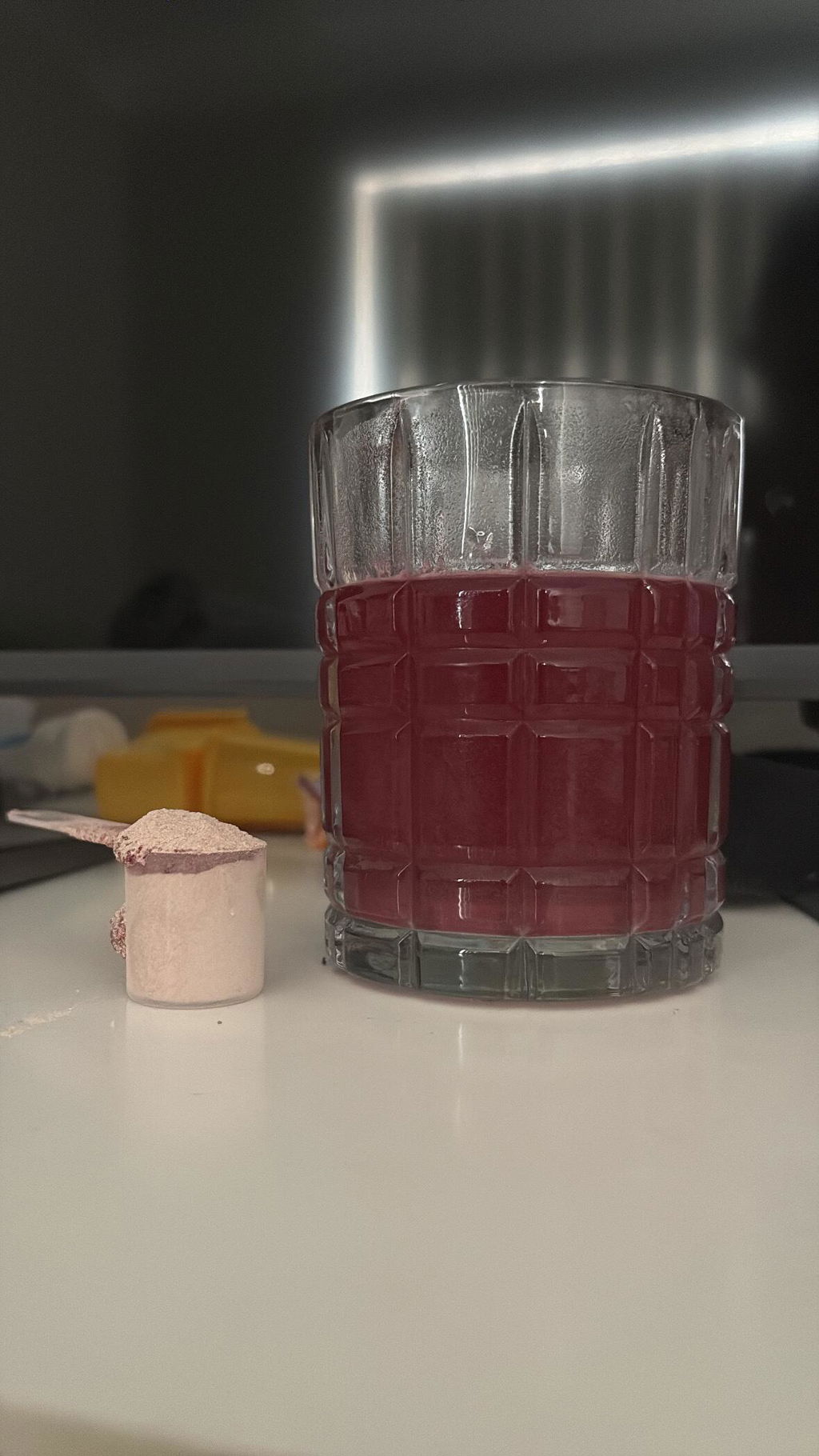
This is where the numbers matter. According to our manufacturer, the maltodextrin in Belly Bliss is present at approximately 50mg per gram of product. In a full 12.5g serve, that equates to roughly 625mg of maltodextrin in total. To put that in perspective, a single serve of many processed foods — a piece of bread, a flavoured yoghurt, a protein bar — can contain several grams of maltodextrin. The amount in Belly Bliss is a fraction of what most people consume daily without a second thought.
What does the research actually say?
The legitimate concerns around maltodextrin in the scientific literature centre on high dietary intake. Studies have found that regular consumption of large amounts of maltodextrin may disrupt gut microbiome balance, potentially affecting the gut's ability to manage inflammation and maintain microbial diversity.²˒³ Some research has also flagged its high glycaemic index as a consideration for those with blood sugar concerns.⁴
These findings are worth taking seriously — but it's equally important to recognise that these studies examine maltodextrin as a dietary staple, not as a trace excipient in a therapeutic formula. The dose makes the difference, and the dose in Belly Bliss is not comparable to the amounts implicated in these studies.
The bottom line
Maltodextrin in high dietary amounts deserves the scrutiny it's receiving. But trace excipient quantities — present solely as a manufacturing carrier in a TGA-listed therapeutic product — are a very different matter. The amount in Belly Bliss is small, and for the vast majority of women it represents a negligible contribution to overall daily intake.
Belly Bliss should be taken as directed. If you have specific health concerns during pregnancy, personalised advice from a healthcare professional is always worthwhile.
References