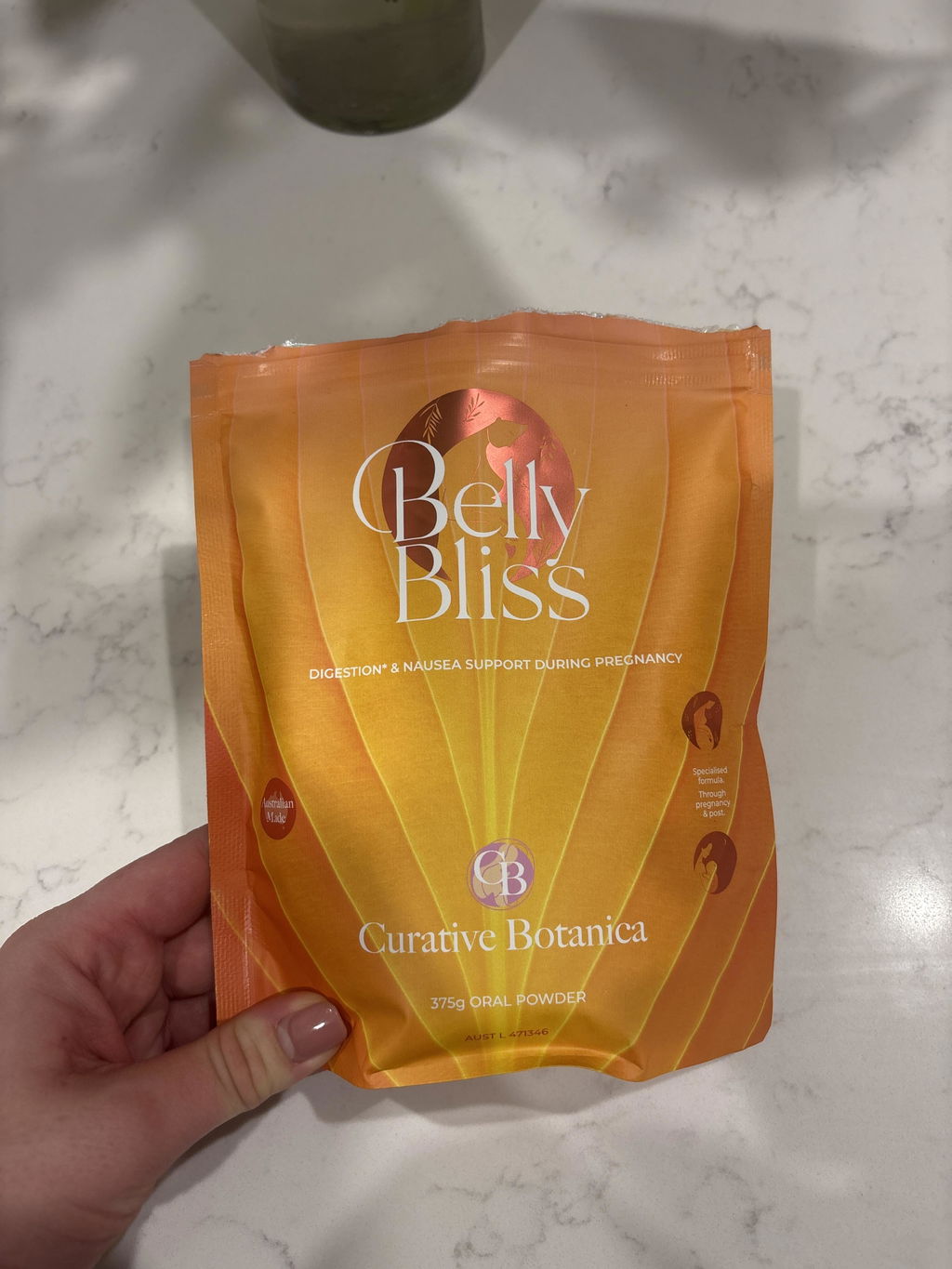
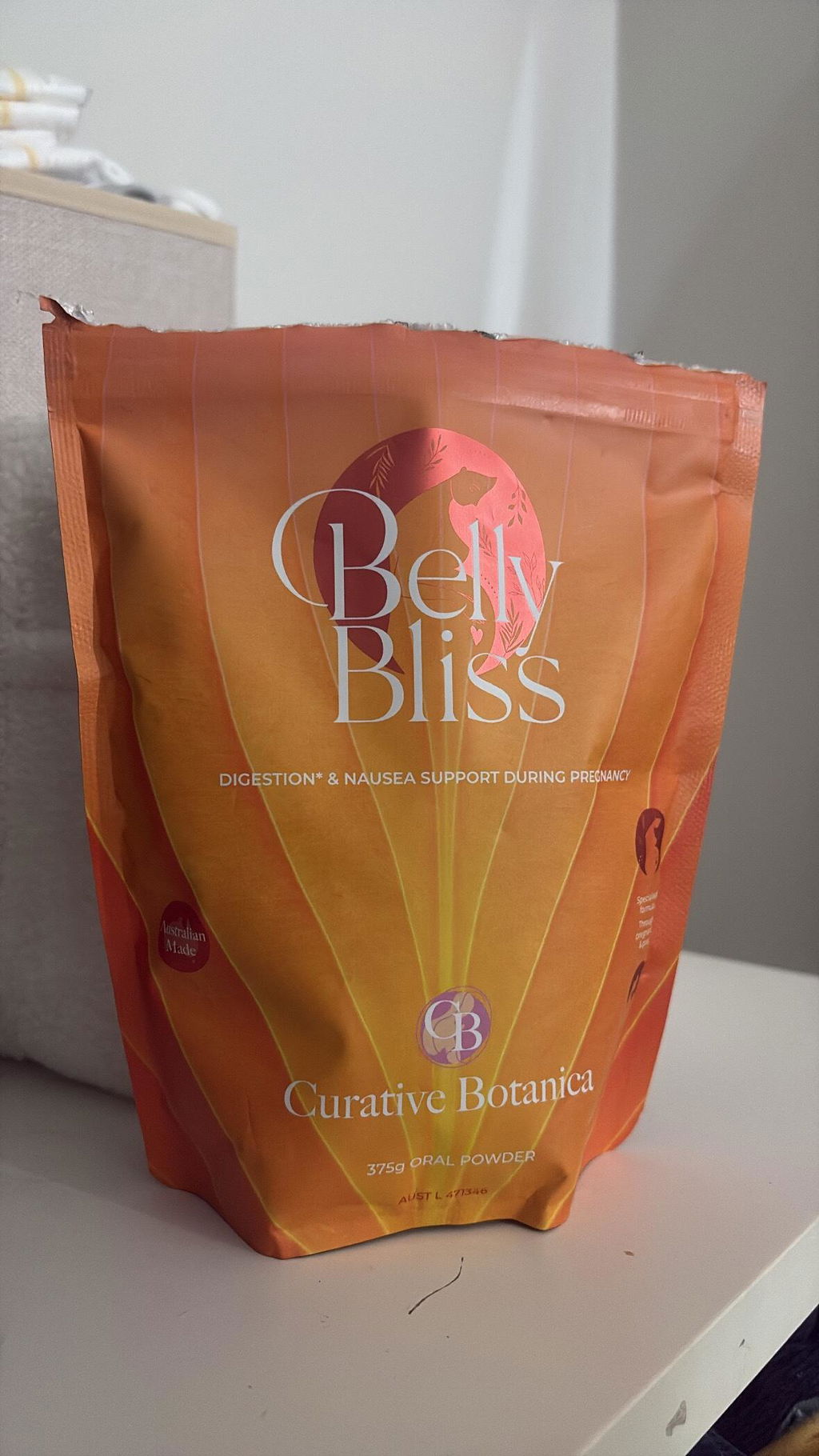
Taking Belly Bliss With a Prenatal — Here's What You Need to Know
Why overlapping ingredients aren't automatically a problem
Prenatal vitamins and pregnancy wellness supplements are often formulated with some of the same nutrients — because those nutrients genuinely matter during pregnancy. Magnesium, calcium, zinc, chromium, and vitamin B6 appear in both Belly Bliss and most standard prenatal multivitamins for good reason. Each plays a meaningful role in supporting your body through one of its most demanding periods.
The important question isn't whether an ingredient appears in both products — it's whether the combined daily dose remains within safe and appropriate ranges. In almost every case with Belly Bliss, it does, and here's the evidence for that.
Breaking down the numbers
Magnesium Belly Bliss provides 350mg of magnesium per serve. Most standard prenatal multivitamins contain between 4mg and 100mg of magnesium per daily dose — primarily because prenatals focus on other nutrients like iron and folate, and magnesium is expected to come largely from diet. The recommended dietary intake for magnesium during pregnancy is around 350–400mg per day in total, meaning Belly Bliss contributes meaningfully to this target. Even when combined with a prenatal, the total remains well within established safe ranges.
Calcium Belly Bliss contains 250mg of calcium per serve. Prenatal multivitamins typically contain between 0mg and 125mg of calcium — again, because the expectation is that most calcium comes from dietary sources. The NHMRC recommends approximately 1000mg of calcium per day during pregnancy, with an upper safe limit of 2500mg.² The combined intake from Belly Bliss and a standard prenatal sits well within this range.
Zinc Belly Bliss provides 10mg of zinc per serve, which aligns closely with the amount found in most prenatal vitamins (typically 10–11mg per daily dose). The recommended daily intake for zinc during pregnancy is around 11mg, with the upper safe limit sitting at 35mg per day. Even when both sources are combined, total intake remains comfortably within range.
Chromium Belly Bliss contains 0.05mg (50mcg) of chromium per serve. This is a trace mineral present in most prenatals at similar levels (25–50mcg per daily dose). The adequate intake for chromium during pregnancy is around 30mcg per day, and the tolerable upper limit is not formally established due to its low toxicity profile. At these doses, there is no cause for concern.
Vitamin B6 (Pyridoxine) Belly Bliss contains 10mg of pyridoxine per serve. Most standard Australian prenatal multivitamins contain between 2mg and 10mg of B6 per daily dose. Combined, most women will have a total daily B6 intake in the range of 12–20mg. The TGA's updated guidance on vitamin B6 identifies 50mg per day as the threshold above which pharmacist advice will be required from mid-2027,⁵ and doses associated with adverse neurological effects in research literature are typically above 200mg per day over extended periods. A combined daily intake of 12–20mg is well within accepted safe limits.
What this means in practice
Belly Bliss is a TGA-listed medicine (AUST L 471346), which means its ingredients, dosages, and permitted indications have been assessed within Australia's regulatory framework. Its formulation has been deliberately considered so that the nutrients it provides sit within ranges that are appropriate during pregnancy — including when taken alongside a prenatal.
Rather than replacing a prenatal, Belly Bliss is designed to work alongside one. Prenatal multivitamins are typically built around key nutrients like folate, iron, and iodine. Belly Bliss contributes complementary support — particularly across the digestive, nervous, and musculoskeletal systems — through a different combination of active ingredients including ginger, magnesium, lemon balm, chamomile, and pomegranate.
The simple takeaway
You don't need to choose between your prenatal and Belly Bliss, and you don't need to spend time cross-referencing labels trying to figure out if the numbers add up. The overlapping nutrients are present at levels that are not only safe in combination, but appropriate and well within the ranges that support a healthy pregnancy.
If you ever want to check your own total daily intake across all supplements, a quick scan of each product label will give you the full picture. And as always, if you have specific health concerns or a complex medical history, personalised advice from a healthcare professional is the best path forward.
Belly Bliss should be taken as directed. Vitamins and minerals can only be of assistance if dietary intake is inadequate.
References: