Preconception Gut Health — Why It Matters Before You're Even Pregnant
Here's the complete post:
When most people think about preparing for pregnancy, they think about folate, stopping alcohol, getting off the pill. Gut health rarely makes the list. In my clinical experience, this is one of the most significant gaps in preconception care — and one that can have a meaningful impact on how your pregnancy unfolds.
The gut does far more than digest food
Your digestive system is the foundation of so much of your overall health — immune function, hormone metabolism, nutrient absorption, inflammation regulation, and even mood. During pregnancy, your body's demands across all of these systems increase significantly. If your gut isn't functioning well going in, those increased demands are being placed on a foundation that's already overloaded or under pressure.
Nutrient absorption starts before conception
One of the most important reasons to prioritise gut health before pregnancy is nutrient absorption. You can be taking the best prenatal vitamin on the market, but if your gut lining is compromised or your digestive function is sluggish, you may not be absorbing what you're taking in anywhere near the amounts you think you are.
Key nutrients for early fetal development — folate, zinc, magnesium, iron, B vitamins — all rely on a healthy digestive environment to be properly absorbed. The first trimester, when neural tube development and organ formation are happening, is a critical window. By the time most women know they're pregnant, several weeks of that window have already passed. This is why preconception is the time to act.
The gut-hormone connection
Your gut also plays a direct role in oestrogen metabolism. A healthy gut microbiome helps regulate how oestrogen is processed and eliminated from the body. When gut health is under pressure — particularly when there's dysbiosis (an imbalance between beneficial and harmful gut bacteria) — oestrogen can be reabsorbed rather than excreted, potentially contributing to hormonal fluctuations. For women trying to conceive, this may affect cycle regularity and overall reproductive hormone balance.³
Inflammation and the microbiome
A disrupted gut microbiome has been shown in research to contribute to low-grade systemic inflammation through increased intestinal permeability and altered immune signalling.⁴˒⁵ During pregnancy, the immune system undergoes significant shifts to accommodate a growing baby — and a system already managing elevated inflammation can find those shifts more taxing. There is also growing research into the relationship between maternal gut microbiome and infant microbiome establishment — during pregnancy, birth, and through breastmilk during lactation. Studies show that a meaningful proportion of infant gut bacteria are transferred directly through breastmilk, meaning the quality and diversity of your microbiome matters well beyond conception itself.⁶˒⁷
What preconception gut support actually looks like
In practice, supporting gut health before pregnancy doesn't have to be complicated. It starts with diet — increasing fibre, reducing ultra-processed foods, and eating a wide variety of plant-based whole foods to feed a diverse microbiome. Stress management matters too, because the gut-brain axis is real and chronic stress measurably affects digestive function. Sleep, movement, and reducing unnecessary antibiotic exposure where possible all contribute.
It's also worth understanding that the gut microbiome doesn't begin and end in the digestive tract. It spans the entire gastrointestinal system — from the mouth all the way through to the bowel — and has a direct relationship with the vaginal microbiome. For women who birth vaginally, the vaginal microbiome is one of the first microbial environments a baby is exposed to, playing a significant role in seeding their developing microbiome in the first year of life.⁸ For caesarean-born babies, this initial seeding happens differently — primarily through skin contact and breastmilk — which makes the quality of maternal breastmilk microbiota even more significant in those cases. And since research shows that maternal gut bacteria directly influence the bacterial composition of breastmilk itself, the health of the gut before and after birth has a direct flow-on effect to what a baby receives through feeding.⁹
It's also worth knowing that gut lining repair takes time — research suggests that meaningful restoration of intestinal integrity can take anywhere from three to six months, depending on the degree of disruption and the consistency of support.¹⁰ This is one of the most important reasons to start before conception rather than waiting until you're pregnant.
One thing I see often in clinic that's worth naming: a gut under pressure doesn't always show up as obvious digestive symptoms. Skin issues, fatigue, mood changes, frequent illness, and hormonal irregularities can all be quiet indicators of an overloaded gut — and they're worth paying attention to in the preconception window.
From a supplementation perspective, targeted gut support can play a valuable role — particularly for women who have a history of digestive issues, have been on the oral contraceptive pill for an extended period, or have had repeated courses of antibiotics. These are all factors that can deplete gut microbiome diversity and compromise digestive function over time.
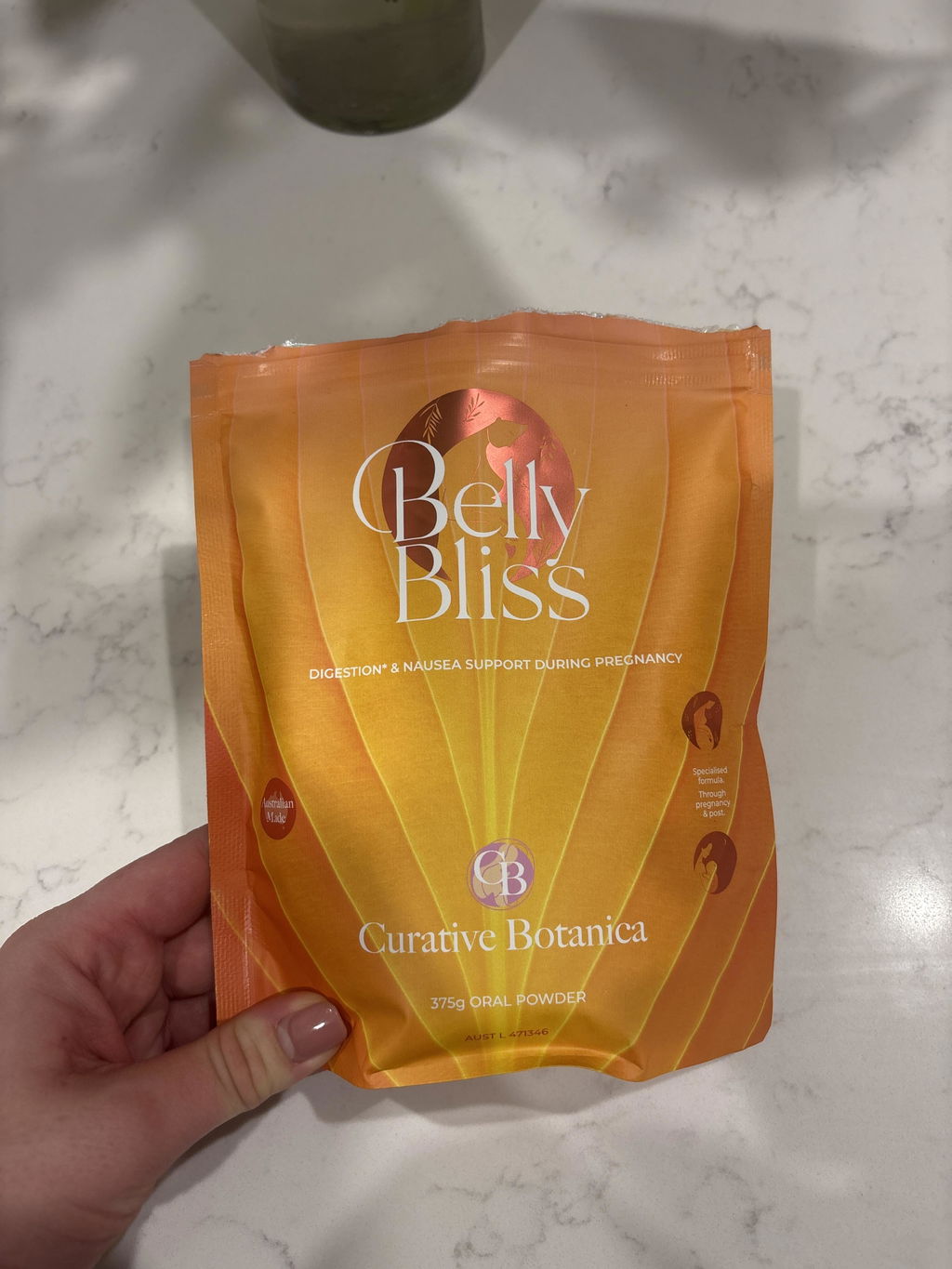
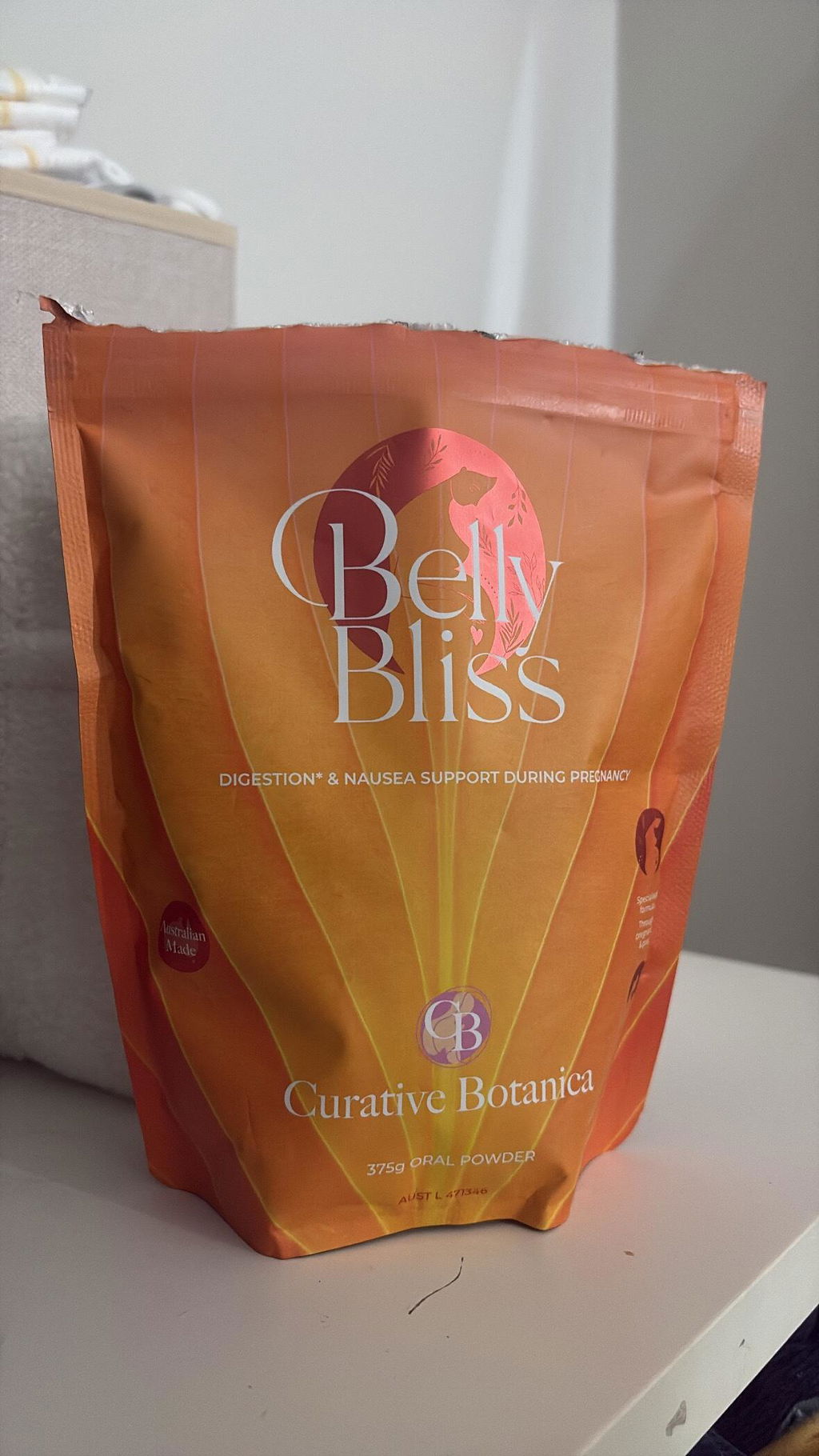
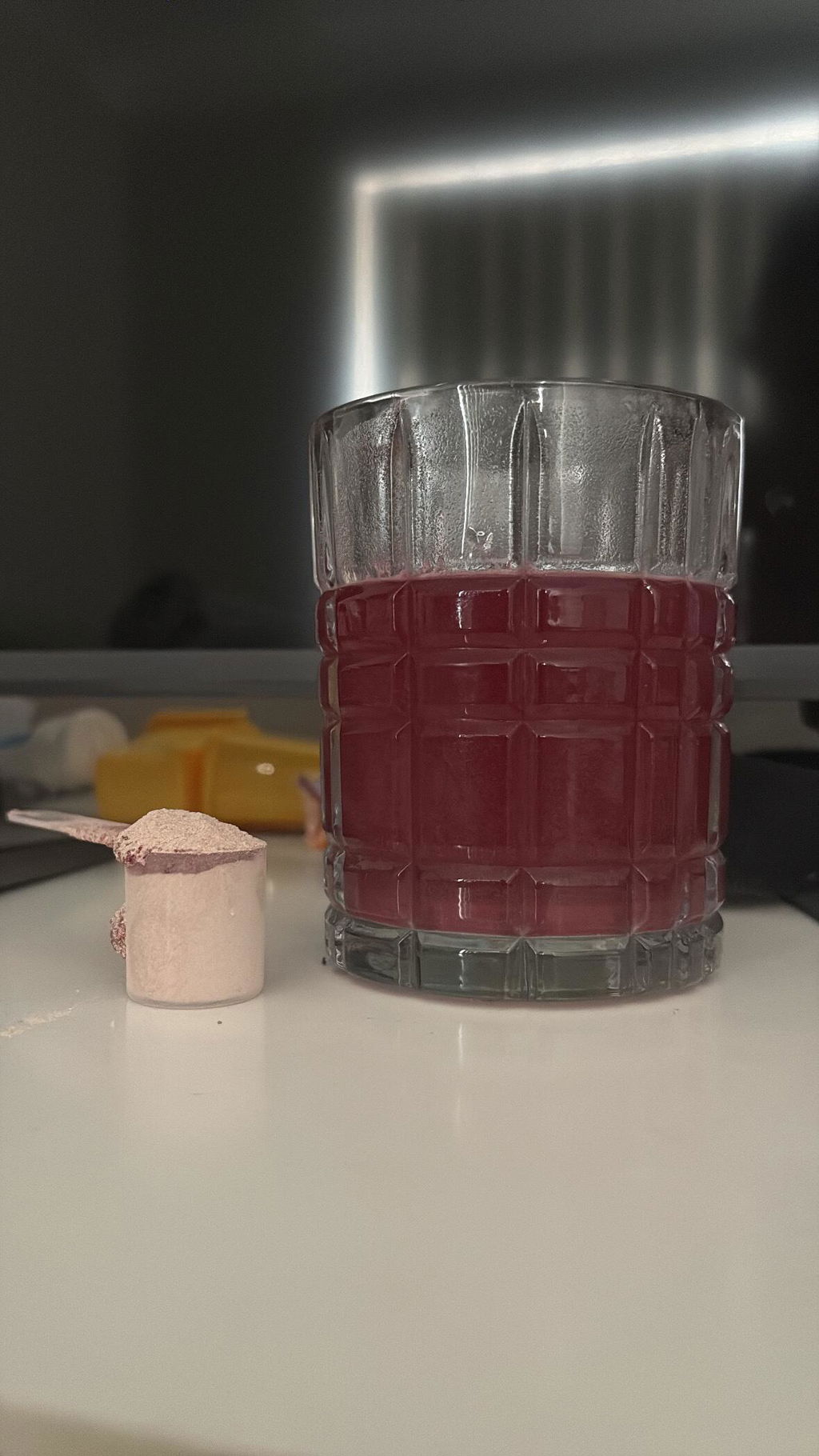
Belly Bliss was formulated with exactly this kind of foundational support in mind. With ingredients including ginger, lemon balm, chamomile, and magnesium — all with traditional and evidence-informed roles in supporting digestive comfort and overall wellbeing — it can be a meaningful part of a preconception gut health routine for women who want to go into pregnancy feeling their best.
The window before pregnancy is an opportunity
If you're thinking about conceiving in the next six to twelve months — or actively trying right now — I'd encourage you to think of this period as one of the most valuable health investments you can make. Not just for your own experience of pregnancy, but for the environment you're creating for your baby from the very beginning.
Your gut health before pregnancy matters. It's not a nice-to-have. It's foundational.
If you have specific digestive concerns or a complex health history, working with a qualified naturopath can help you address these before conception. You can find out more about our clinical services at Ecoura Health.
References
-
Nuriel-Ohayon M, et al. Gut Microbiota Changes during Pregnancy and the Role of the Microbiome in Pregnancy Complications. Microorganisms, 2021. https://www.ncbi.nlm.nih.gov/pmc/articles/PMC8308562/
-
Shao Y, et al. Stunted microbiota and opportunistic pathogen colonization in caesarean-section birth. Nature, 2019. https://www.nature.com/articles/s41586-019-1560-1
-
Baker JM, et al. Estrogen-gut microbiome axis: Physiological and clinical implications. Maturitas, 2017. https://www.ncbi.nlm.nih.gov/pmc/articles/PMC5765541/
-
Laudisi F, et al. The Food Additive Maltodextrin Promotes Endoplasmic Reticulum Stress–Driven Mucus Depletion and Exacerbates Intestinal Inflammation. Cellular and Molecular Gastroenterology and Hepatology, 2019. https://www.sciencedirect.com/science/article/pii/S2352345X18301218
-
Munckhof et al. Role of gut microbiota in chronic low-grade inflammation as potential driver for atherosclerotic cardiovascular disease. Obesity Reviews, 2018. https://onlinelibrary.wiley.com/doi/10.1111/obr.12750
-
Pannaraj PS, et al. Association Between Breast Milk Bacterial Communities and Establishment and Development of the Infant Gut Microbiome. JAMA Pediatrics, 2017. https://jamanetwork.com/journals/jamapediatrics/fullarticle/2625334
-
Togo A, et al. Gut-mammary pathway: Breast milk microbiota as a mediator of maternal gut microbiota transfer to the infant gut. Journal of Functional Foods, 2024. https://www.sciencedirect.com/science/article/pii/S1756464624006236
-
Dominguez-Bello MG, et al. Delivery mode shapes the acquisition and structure of the initial microbiota across multiple body habitats in newborns. PNAS, 2010. https://www.pnas.org/doi/10.1073/pnas.1002601107
-
Togo A, et al. Gut-mammary pathway: Breast milk microbiota as a mediator of maternal gut microbiota transfer to the infant gut. Journal of Functional Foods, 2024. https://www.sciencedirect.com/science/article/pii/S1756464624006236
-
Healthline. How Long Does It Take to Heal Leaky Gut? https://www.healthline.com/health/how-long-does-it-take-to-heal-leaky-gut