Postpartum Depletion — Why You Still Feel Off Months After Birth
If you're a few months postpartum and still waiting to feel like yourself again — still exhausted, still foggy, still emotionally running on empty (and possibly surviving on cold coffee and packets of Doritos) — I want you to know that what you're experiencing is more common than you think. It's called Postpartum depletion. It's not a sign that you're not coping, it's a physiological reality that doesn't get nearly enough attention in mainstream postpartum care.
What is postpartum depletion?
Postpartum depletion is a term used to describe the wide range of physical, emotional, and cognitive symptoms that can persist for months (or even years) after birth. It goes beyond the baby blues — though the two can look remarkably similar on the surface, which is part of why postpartum depletion often getrs missed.
The baby blues typically appear within the first few days after birth, driven by the rapid hormonal shift that follows delivery, and generally resolve within two weeks. Postpartum depletion is different. It lingers. It doesn't lift with a good night's sleep or a kind word. Women experiencing it often describe a persistent flatness, an inability to recover no matter how much rest they get, emotional fragility, difficulty concentrating, low mood, digestive changes, and a sense that their body simply hasn't found its rhythm yet.
If low mood, anxiety, or emotional overwhelm is persisting beyond two weeks and feels significant, it's always worth speaking with a healthcare professional to rule out postpartum depression or postpartum anxiety — both of which are common, treatable, and deserve proper support.
The reason it persists is largely nutritional — though sleep deprivation, hormonal shifts, and the psychological demands of being a mother compound it significantly.
Pregnancy makes enormous nutritional demands
Over nine months, your body prioritises your baby's development above your own nutritional needs. Your body will draw on your own stores of vitamins, minerals, and essential nutrients to support fetal growth, even when your dietary intake isn't keeping up, and let's be honest, nobody is eating optimally in the first trimester when any smell can send you running to the bathroom.
Research shows that key nutrients including zinc, iron, vitamin B12, and magnesium are significantly lower in women during and after pregnancy.¹ These aren't minor fluctuations — for many women, these deficits are substantial, and without targeted replenishment, they don't resolve on their own simply because pregnancy has ended.
The nutrients most commonly depleted
Magnesium plays a critical role in energy production, muscle function, sleep quality, and nervous system regulation. During pregnancy, the fetus draws heavily on maternal magnesium stores, and depletion of these stores has been associated with postpartum mood disturbances and fatigue.² Low magnesium postpartum can manifest as irritability, poor sleep, muscle tension, headaches, and difficulty concentrating.
Zinc is essential for immune function, wound healing, cognitive function, and mood regulation. Lower zinc levels have been found in women experiencing postpartum depression, and zinc deficiency postpartum is well-documented in research.³ Hair loss — one of the most common postpartum complaints — is also closely linked to zinc depletion.
Vitamin B6 (pyridoxine) supports the synthesis of neurotransmitters including serotonin and dopamine, which are directly involved in mood regulation, sleep, and emotional resilience. B6 deficiency contributes to irritability, low mood, and brain fog — symptoms that overlap significantly with what many postpartum women describe.⁴
Iron deficiency is the most common single nutrient deficiency worldwide, and blood loss during delivery places postpartum women at particularly high risk. Low iron manifests as fatigue, breathlessness, brain fog, and a generalised sense of depletion that can be easily mistaken for normal new parent tiredness.¹
It's not just about nutrients
While nutrient depletion is central to postpartum recovery, it doesn't exist in isolation. The dramatic hormonal shifts that occur after birth — particularly the rapid drop in oestrogen and progesterone — affect mood, energy, digestion, and sleep architecture in ways that interact directly with nutritional status. A nervous system running on empty is less equipped to regulate these hormonal transitions, and a gut that is under pressure and under-resourced is less able to absorb the nutrients needed to support recovery.
Sleep deprivation adds another layer. Chronic sleep fragmentation — the kind that comes with a newborn — elevates cortisol, suppresses immune function, impairs nutrient metabolism, and amplifies every symptom of depletion. This is why postpartum depletion can feel self-perpetuating: the body needs rest and nutrients to recover, but the demands of new parenthood make both difficult to achieve.
Recovery takes longer than we're told
One of the most unhelpful myths in postpartum culture is the idea that six weeks marks a meaningful recovery milestone, and of course, being told to sleep when the baby sleeps, which can be your defense after being questioned by police after slumping down in the middle of the Coles shopping aisle. For most women, true physiological recovery from pregnancy and birth takes considerably longer — particularly when nutrient stores have been significantly depleted and breastfeeding continues to place ongoing demands on the body.
Replenishing depleted nutrient stores is not something that happens overnight. It requires consistent, targeted nutritional support over weeks to months — ideally guided by testing where possible to understand exactly where the gaps are.
What support actually looks like
Dietary foundations matter enormously — prioritising iron-rich foods, magnesium-rich whole foods, protein, and healthy fats provides the raw materials the body needs to rebuild. Reducing the load of ultra-processed foods, which deplete rather than replenish, is equally important (which can be easier said than done when you're just trying to survive).
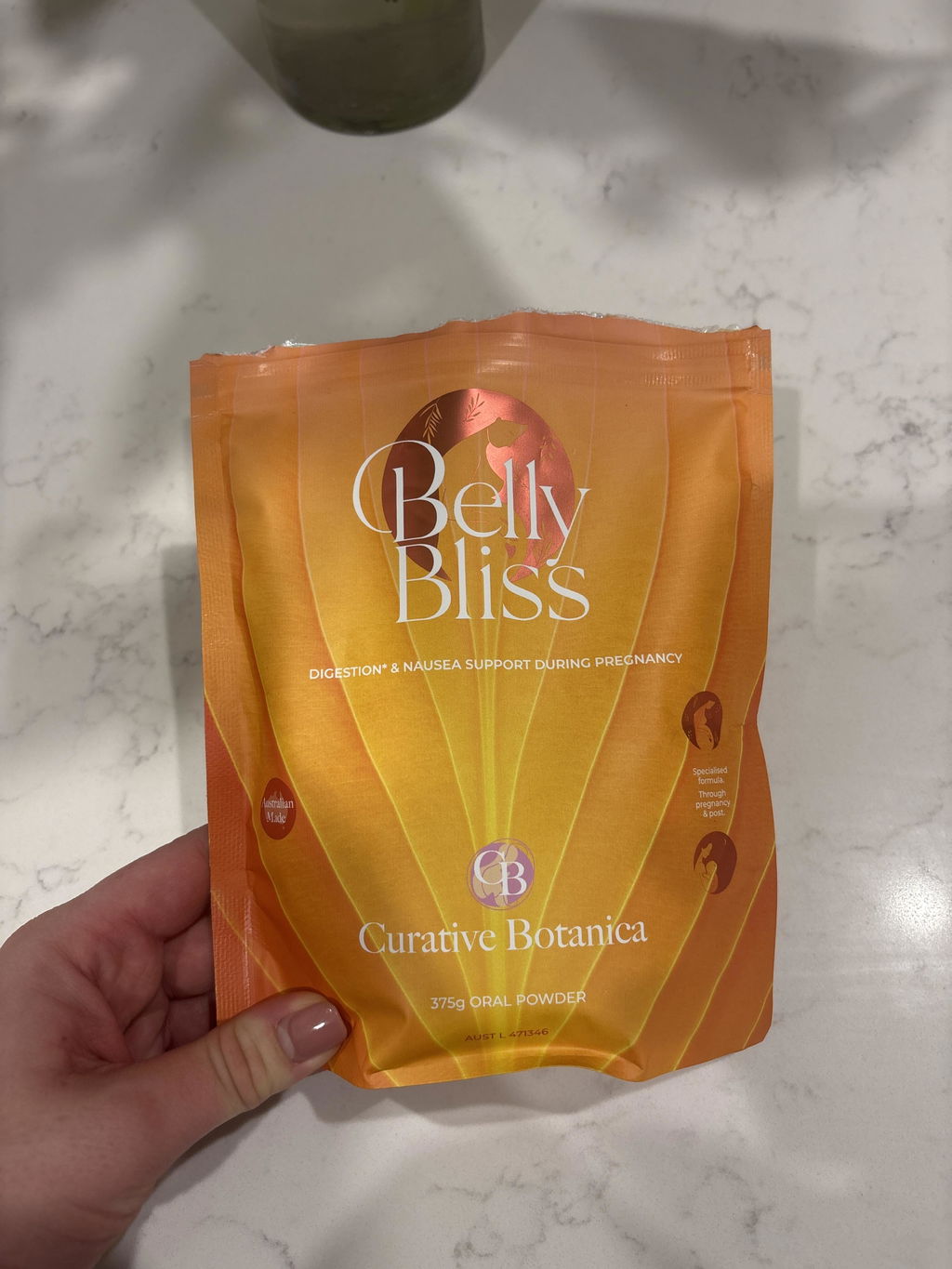
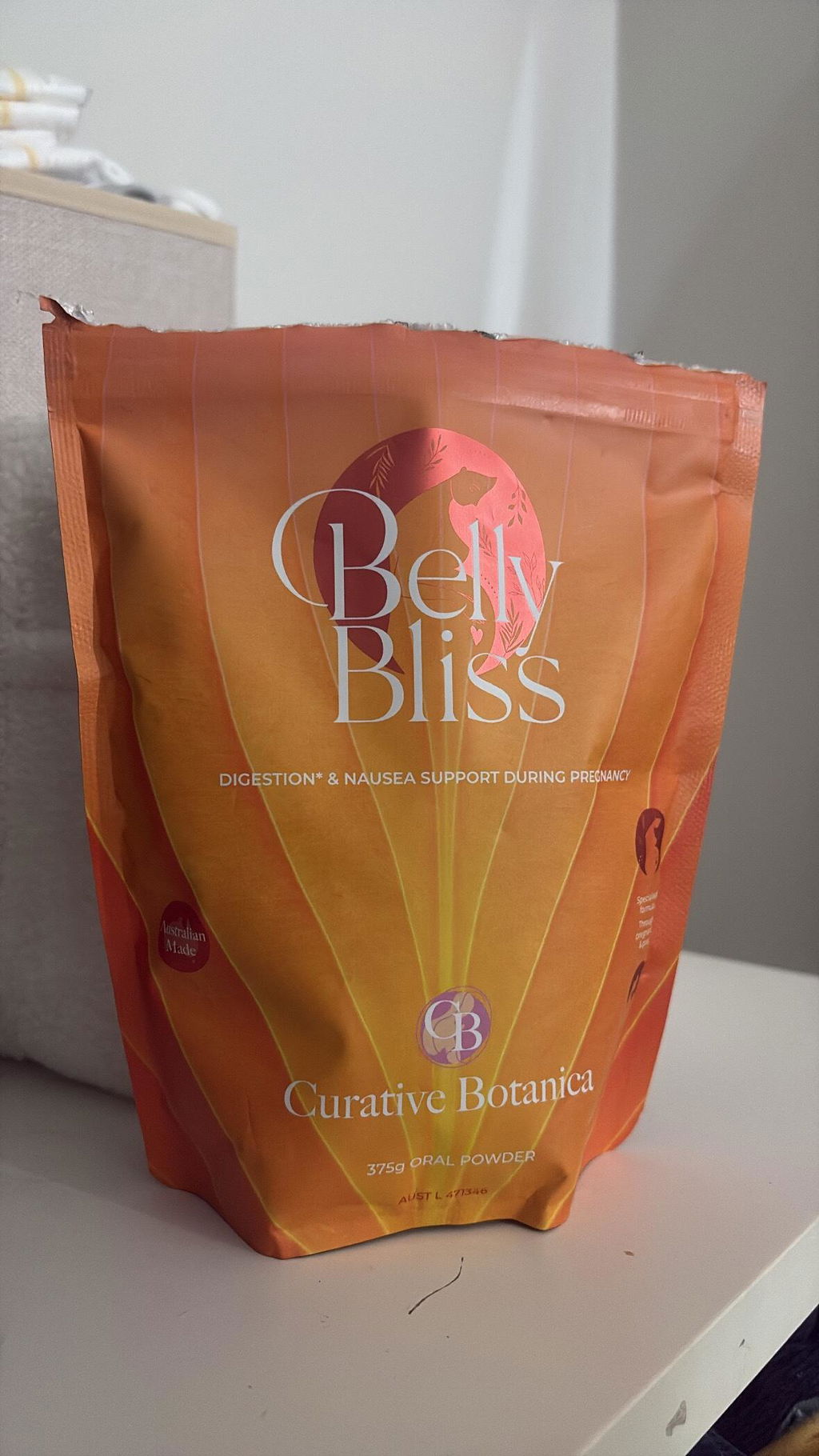
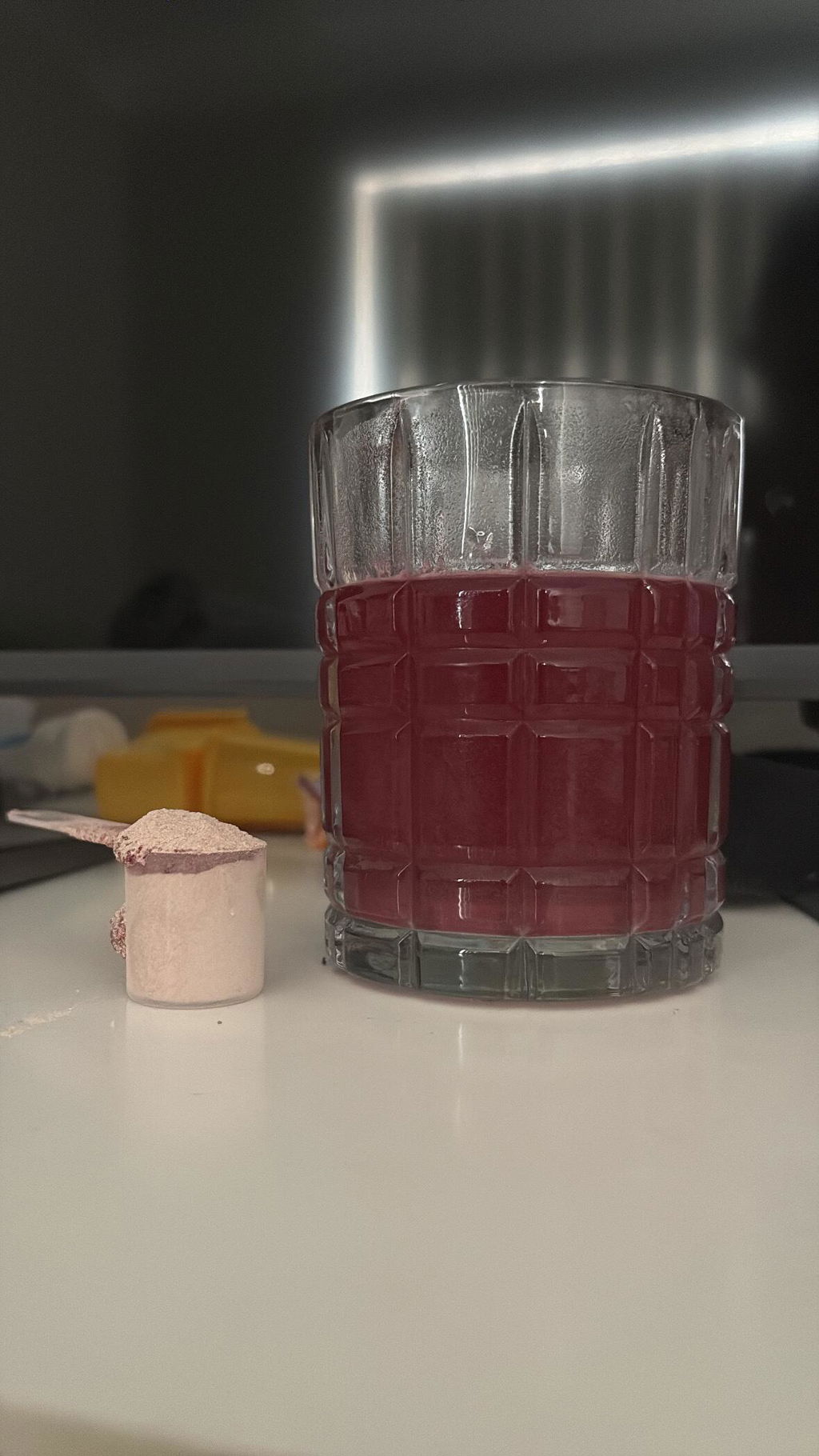
From a supplementation perspective, targeted support across the nutrients most commonly depleted in the postpartum period can meaningfully accelerate recovery. Belly Bliss contains magnesium, zinc, and pyridoxine (B6) — three of the nutrients most consistently depleted postpartum — alongside digestive and nervous system support through ginger, lemon balm, and chamomile. While it is not a replacement for a comprehensive postpartum supplement protocol, it can be a valuable part of daily nutritional support during the fourth trimester and beyond.
If you're several months postpartum and still not feeling well, please don't dismiss it as normal. Postpartum depletion is real, it is addressable, and you deserve support that goes beyond being told to sleep when the baby sleeps.
If you have specific concerns about postpartum recovery or suspect significant nutrient deficiency, working with a qualified naturopath or healthcare professional can help you understand your individual needs. You can find out more about our clinical services at Ecoura Health.
References
-
Krejčí H, et al. Micronutrient dynamics and deficiency risk across pregnancy and postpartum in a Slovak cohort. PLOS One, 2024. https://journals.plos.org/plosone/article?id=10.1371/journal.pone.0331125
-
Botturi A, et al. Postpartum Depression and Role of Serum Trace Elements. PMC, 2012. https://pmc.ncbi.nlm.nih.gov/articles/PMC3430492/
-
Kaviani M, et al. Invisible Links: Associations Between Micronutrient Deficiencies and Postpartum Depression. PMC, 2025. https://www.ncbi.nlm.nih.gov/pmc/articles/PMC12565379/
-
Kennedy DO. B Vitamins and the Brain: Mechanisms, Dose and Efficacy — A Review. Nutrients, 2016. https://www.ncbi.nlm.nih.gov/pmc/articles/PMC4772032/