Is It Safe to Take Supplements During Pregnancy? What to Look For
If you've ever stood in a pharmacy staring at a wall of supplements wondering "but is this actually safe right now?" — you're not alone. It's one of the most common questions pregnant women have, and honestly, it's a really good one to ask.
The short answer is: it depends entirely on what's in the supplement, the quality of the ingredients, and whether the product has been properly assessed and registered.
Not all supplements are created equal
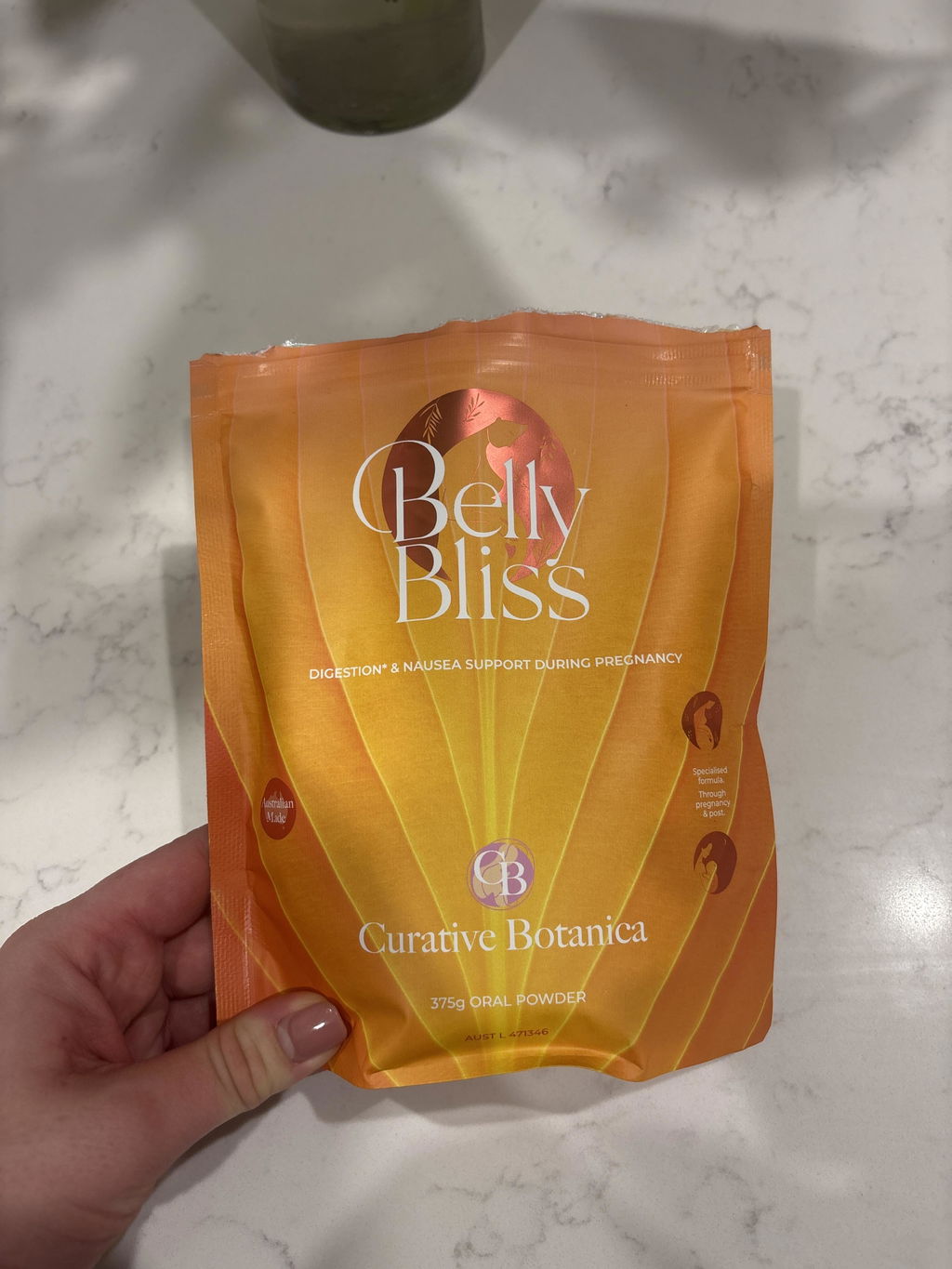
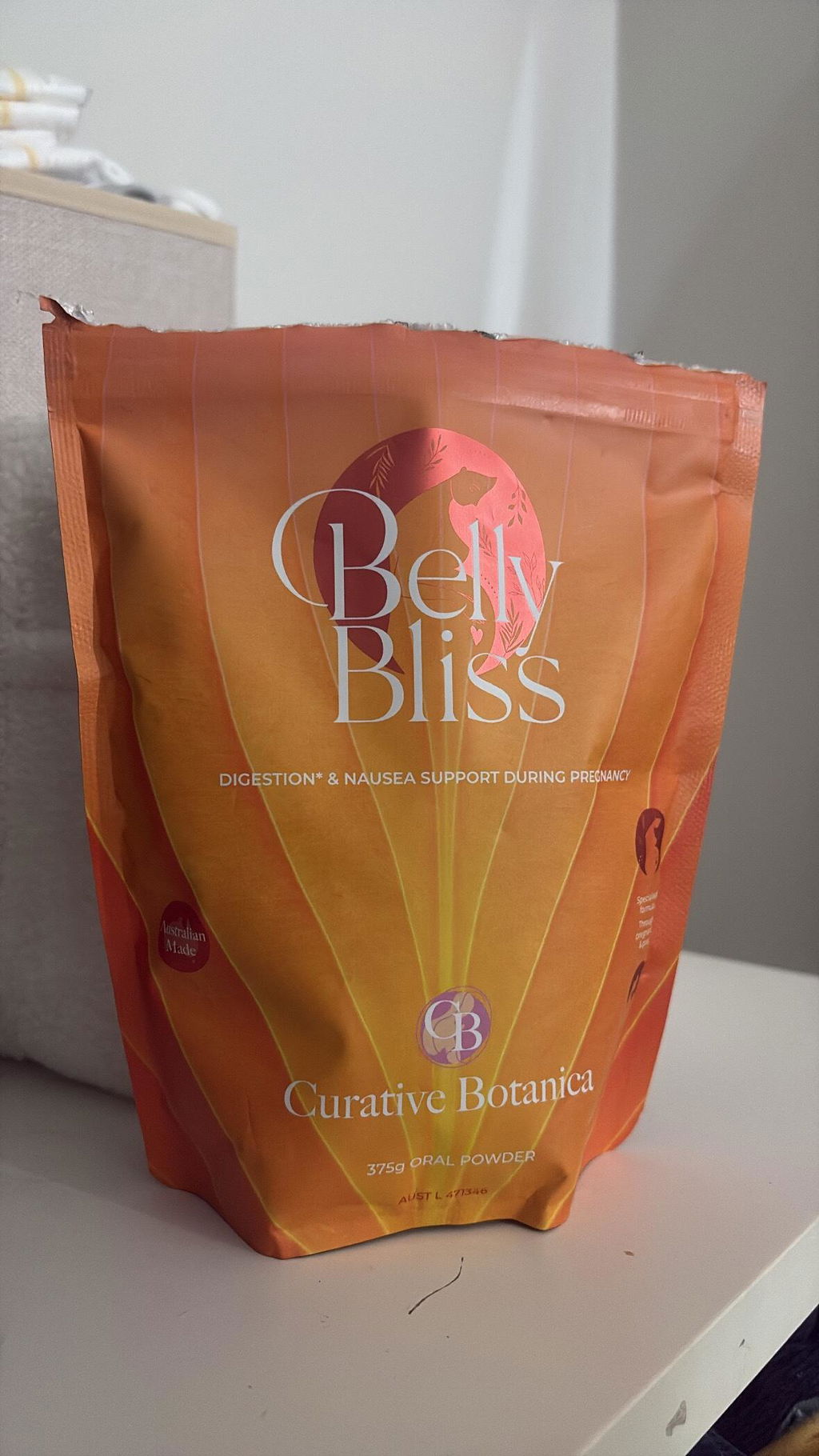
Here's something a lot of people don't realise — supplements sold in Australia aren't all held to the same standard. Some products are listed with the Therapeutic Goods Administration (TGA) and carry an AUST L number on the label. This means the ingredients, dosage, and therapeutic claims have been assessed against regulatory standards. Others are simply sold as food or wellness products with no such oversight.
During pregnancy, that distinction matters a lot. Your body is doing extraordinary things, and what you put into it — including supplements — deserves careful consideration.
What ingredients are actually worth looking for?
During pregnancy, a few key nutrients come up again and again for good reason. Ginger has long been used in Western herbal medicine to help relieve nausea and digestive discomfort. Magnesium plays a role in muscle function, bone health, and nervous system support. Pyridoxine (vitamin B6) supports healthy red blood cell production and helps the body synthesise neurotransmitters. Zinc is important for immune function, skin health, and healthy growth and development.
These aren't trends — they're ingredients with real, evidence-informed traditional use behind them.
What to check before taking anything
Before adding any supplement to your routine during pregnancy, it's worth asking a few simple questions. Does the product have an AUST L or AUST R number? Is the dosage clearly stated? Are the ingredients transparent and well-researched? And does the brand communicate openly about what their product is formulated to do?
And crucially — check the directions for use. Some supplements will explicitly state to avoid use during pregnancy or breastfeeding, which is important information that's easy to overlook when you're scanning a label quickly.
A quality supplement brand will give you clear answers — not vague wellness language.
The bottom line
Supplements can absolutely be a meaningful part of supporting your health during pregnancy — but quality, transparency, and regulatory compliance aren't optional extras. They're the baseline. When in doubt, look for the AUST L number, check the ingredients list, and ask questions. You and your baby deserve nothing less.
If you have specific health concerns during pregnancy, it's always worth seeking personalised advice.