Ginger Tablets Not Working for Morning Sickness? Here's Why
Ginger is one of the most well-researched natural remedies for nausea in pregnancy. So if you've tried ginger tablets and found they didn't make much difference, it's easy to conclude that ginger just doesn't work for you. But in many cases, it's not the ginger that's the problem — it's the form it's in.
Not all ginger is the same
The active compounds in ginger responsible for its anti-nausea effects are called gingerols and shogaols. These compounds work by interacting with serotonin receptors in the gut and brain, helping to regulate the signals that trigger the sensation of nausea.¹ For ginger to be therapeutically effective, these compounds need to be present in sufficient concentration — and this is where many ginger tablets fall short.
Many commercially available ginger tablets contain dried ginger root powder, which is simply ground dried ginger. While this retains some active compounds, the concentration is highly variable and often much lower than what has been used in clinical studies showing benefit. The potency of dried ginger powder can vary significantly depending on the quality of the raw material, how it was processed, and how long it has been stored.
The difference concentrated extracts make
The form of ginger in a supplement matters significantly. Ginger extracts — particularly standardised dry concentrates — are processed to preserve and concentrate the active compounds, delivering more therapeutic value per gram than an equivalent weight of unprocessed dried root powder. This is why checking the label for a stated concentration ratio or equivalent dry root amount gives you a much clearer picture of what you're actually getting.
A 10:1 extract, for example, means that ten grams of raw ginger root has been concentrated down to one gram of extract — delivering a meaningfully higher level of active compounds in a smaller, more practical dose. On a supplement label this might read: Zingiber officinale (ginger) root dry extract 100mg — equivalent to dry root 1g. That single line tells you both the amount of extract present and what it equates to in whole root terms, giving you a reliable basis for comparing products.
To put that potency in context — 1g of dry ginger root is equivalent to roughly a thumbnail-sized piece of fresh ginger root, which is a meaningful therapeutic amount. Research into ginger and pregnancy nausea has used doses in the range of 1000–1500mg of dry ginger root equivalent per day, meaning a product delivering 1g per serve is working within the range that clinical studies have found to be effective.²˒³
Dose also matters
Clinical research on ginger and pregnancy nausea has generally used doses in the range of 1000–1500mg of ginger per day, typically divided across multiple doses.³ Each serve of Belly Bliss delivers 100mg of concentrated ginger root extract, equivalent to 1000mg (1g) of dry ginger root — placing it squarely within the range used in clinical studies. Many standard over-the-counter ginger tablets do not clearly state the equivalent dry root amount, making it difficult to assess whether the dose is therapeutically meaningful.
Timing and consistency matter too
Another reason ginger tablets may seem ineffective is how they're being taken. Nausea in pregnancy is often worst in the morning and can be triggered by an empty stomach, certain smells, or fluctuating blood sugar. Taking ginger reactively — only when nausea has already set in — is less effective than taking it consistently throughout the day to maintain steady levels of active compounds in the system.
Research suggests that dividing the daily dose across two to three smaller doses, taken with food, produces better outcomes than a single larger dose taken at once.³
What else might be contributing
It's also worth considering that morning sickness is rarely driven by a single factor. Hormonal fluctuations, particularly rising hCG levels in the first trimester, are a primary driver — but nutrient status, gut health, blood sugar regulation, stress, and the nervous system all play a role. Ginger addresses the symptom of nausea effectively when well-formulated, but for some women, a more comprehensive approach that supports multiple contributing factors will produce better results.
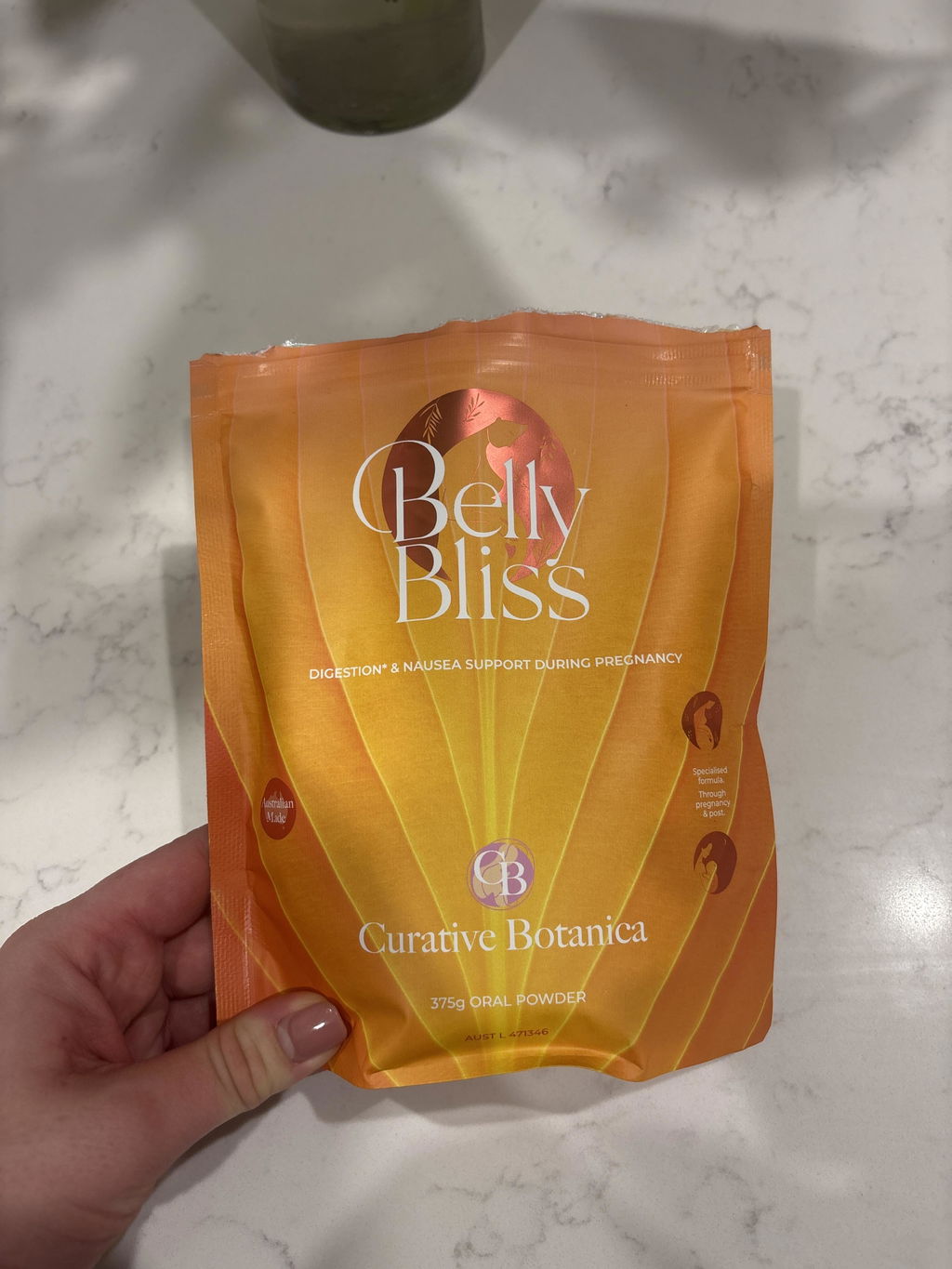
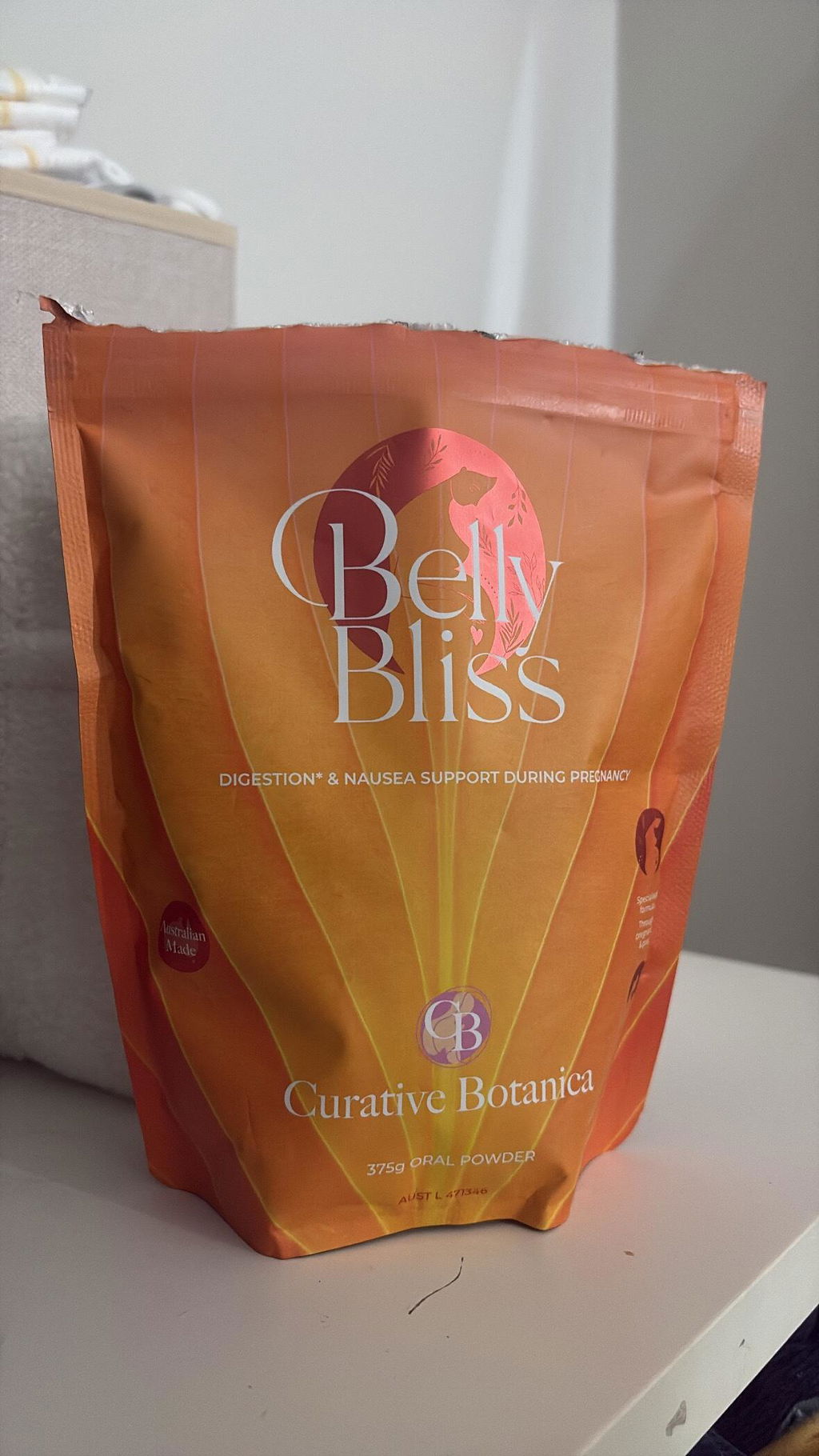
This is the thinking behind Belly Bliss. Rather than relying on ginger alone, the formula combines 100mg of concentrated ginger root extract (equivalent to 1g of dry ginger root per serve) with complementary ingredients including lemon balm, chamomile, magnesium, and pyridoxine — each contributing to digestive comfort, nervous system support, and overall wellbeing during pregnancy. It's a more complete approach to nausea support than a single-ingredient ginger tablet can offer.
Belly Bliss should be taken as directed. If symptoms persist or are severe, seek advice from a healthcare professional.
Working with a qualified naturopath or healthcare professional can help you understand your individual needs. You can find out more about our clinical services at Ecoura Health.
References